Bescor Mp 101 Manual
Equipment reviews maxwell electronic power panner mp- 101 Because such images are so difficult to obtain and because they give the viewer the feeling of being with the animal in immediate proximity, photos of wildlife taken from close distance with wide-angle, standard or short telephoto lenses are much more impressive than the usual shots with a super telephoto lens that most nature photographers do. The usually preferred way to such photos is to hide and wait till the animal comes close enough for the reach of the lens.

I have always admired such images created by other photographers but myself haven't had enough opportunities to practice this kind of wildlife photography so far. Since I usually photograph nature while I am traveling, I have neither time nor equipment for approaching wildlife for a close-up shot. Protokol uzi schitovidnoj zhelezi blank. If no hide is available at the location where I am going, I don't bring my own because I never stay there for longer than a couple of hours.
Recent Bescor MP-101 Motorized Pan Head MP101 questions, problems & answers. Google the make and model followed by the word manual, then select the link most.
This is not because I don't like sitting in a hide or don't want to stalk an animal. It is the programme of the trip, its itinerary, or other circumstances, such as local rules, organization, etc. That just don't allow this. If you have already travelled to photograph nature in a country like Tanzania or Costa Rica for as short as just two or three weeks, you would know what I mean. In quite many situations it is impossible to get close to the animal for an objective reason — for instance, if it is dangerous or too shy, or is staying in a place that is not accessible for a human, e.g. Too high on a tree or a rock. Another problem with traditional 'seek-and-hide' close-up photography is that typically only large animals can be photographed this way: A small or medium sized animal, even if it comes close to your hide, will always be still too far for a wide-angle lens.
Since for wide-angle shots of small animals such as small birds, rodents or reptiles, a camera should be less than in half a meter from the subject, a photographer trying to approach it with a camera will almost certainly scare the animal off before he makes a shot. In industry, military, space, and everywhere else, if a task is too dangerous or impossible to do for a human, they would send a robot. In wildlife photography, tasks that I outlined above would certainly be suitable for a robot with a DSLR camera but unfortunately none is currently available on the market.
A partial solution can be a remotely controlled DSLR camera mounted on a tripod head that is moved by an electric motor. The motor should allow adjustments of camera's view field if the subject moves or lives it completely. The frame composition should be controlled via a small video camera that is sending a picture from the viewfinder to the receiver that the photographer is holding in his hand. This setup is what I am experimenting with, and the tripod head that I am going to review here is its part.
Surprisingly, there are quite few such devices for photo cameras on the market. The need for a motorized tripod head for photo cameras in some situations is so obvious that I can't believe that the first such products appeared only recently. It looks like they first became an issue of interest for a mass consumer after the popularity of consumer video cameras had grown and HD video capable photo cameras appeared. However, for professional video and cine cameras motorized supports have been known already many years before. For example, such professional camera mounting systems are being manufactured by and used in film and TV studios. For use in nature photography such equipment is too bulky and heavy, and, with the price tag of several thousands of dollars — too expensive for most amateurs who would need it only occasionally. In 2010, Gitzo presented GH5130RC Athena — the first professional quality motor-driven head for DSLR cameras on the market.
At the time of writing, this product wasn't yet available for purchase, and no definite retail price was yet announced. However, some dealers were already offering pre-orders of it for about 10,000$.
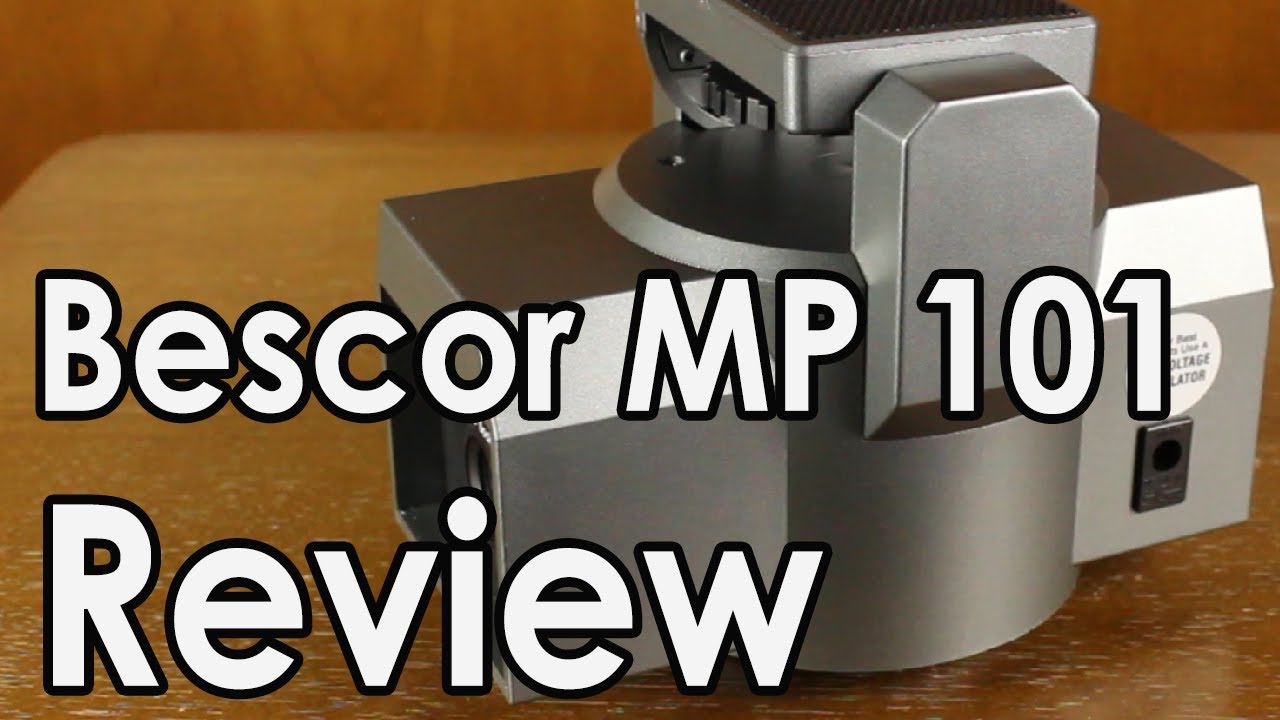
This head looks like the technically most advanced and best quality motorized head for photo cameras so far. Unfortunately, its price would exceed the budget of most photographers. If a wildlife photographer would have this amount of money, he would most likely prefer to spend it for a 800 mm lens rather than for a tripod head. When I was researching the market for alternatives, I came across a very inexpensive head that was offered by a UK online shop. After that I found an offer in Germany where I got my copy of this device.
Maxwell Electronic Power Panner in the field — with Canon EF 5D Mark II (ca. 750 g) and Carl Zeiss Distagon T* 3.5/18 ZE (ca. According to the information I could find so far, this panning head had been developed by a German but was patented by a company called Maxwell Electronics Ltd.